

Introduction to the foodstuff trading business in Dubai
Dubai has rapidly transformed into a global nexus for trade and commerce, making it a magnet for entrepreneurs worldwide. The foodstuff trading business in Dubai, in particular, has seen significant growth due to the city’s signature location, sustainable infrastructure, and advantageous government policies. Whether you’re considering starting a small venture or expanding an existing enterprise, understanding the landscape of business in Dubai is crucial for success. Foodstuff trading is registered as a trading activity under a commercial license; if you plan to run a retail store, see also the grocery trade license.
Types of foodstuff you can trade in Dubai
The industry of foodstuff trading in Dubai offers a vast array of opportunities due to the city’s multicultural demographic and its role as a global trade hub. Understanding the types of foodstuff you can trade is essential for carving out your niche in the market.
Overview of popular food categories
- Grains and cereals: rice, wheat, oats, and barley are staples with consistent demand.
- Dairy products: milk, cheese, butter, and yogurt from various countries.
- Meat and poultry: including halal-certified products, which are essential in the region.
- Seafood: fresh and frozen fish, shrimp, and other seafood delicacies.
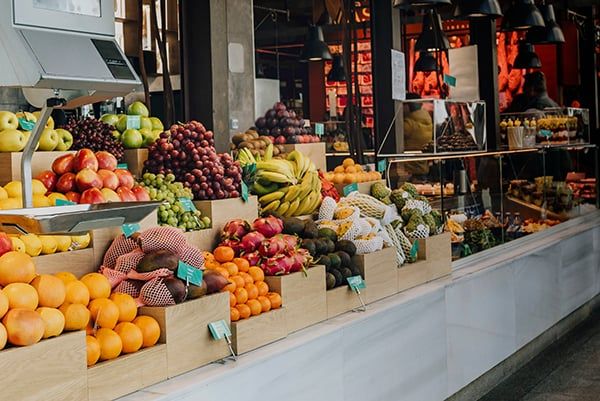
- Fruits and vegetables: both fresh and processed options to cater to diverse tastes.
- Processed foods: canned goods, sauces, and ready-to-eat meals.
- Beverages: juices, soft drinks, and specialty beverages.
- Health and organic foods: gluten-free, vegan, and organic products are gaining popularity.
Trends in the foodstuff market
- Health and wellness. A growing trend towards organic and health-oriented foodstuff.
- Convenience foods. Increased demand for ready-to-eat and easy-to-prepare meals.
- Ethnic foods. The diverse population fuels the demand for international cuisines.
- Sustainable practices. Eco-friendly packaging and sustainable sourcing are becoming important.
- Digital transformation. Rise of e-commerce platforms for foodstuff trading, enhancing market reach.
Reviewed by

Andrey Ovchinnikov
Co-founder & CEO
Founded Emirabiz in 2013. Structures UAE companies and owns the sourced pricing dataset behind every figure on this site. Every figure he signs off traces to a named primary source with a verification date.

Written by Yulia Lyalyushina ·Published January 3, 2025 ·Last updated February 23, 2026